


If you’re planning a garden project this year, it’s tempting to dive straight in. You start browsing materials, saving plant ideas and getting quotes.
The early decisions shape everything that follows. Get that right and the project tends to run smoothly. Rush them, and you often end up fixing expensive mistakes later.
Whether you’re planning a full renovation or simply refreshing your space, most successful garden projects move through three key stages: Vision, Design, and Build.
In this guide, we’ll walk through the three key stages every successful garden project follows. Think of it as everything you need to start planning your next garden renovation with confidence.
Phase One: Vision
The vision stage is easy to overlook, especially when you are eager to get started. But it’s often the most valuable part of the process.
This is where you step back and think about what you want from your garden. Not just what it will look like, but how you want to use it.
A calm, restorative garden will be designed very differently from one built for entertaining. A low-maintenance family space will look different again from a garden you want to spend weekends tending.
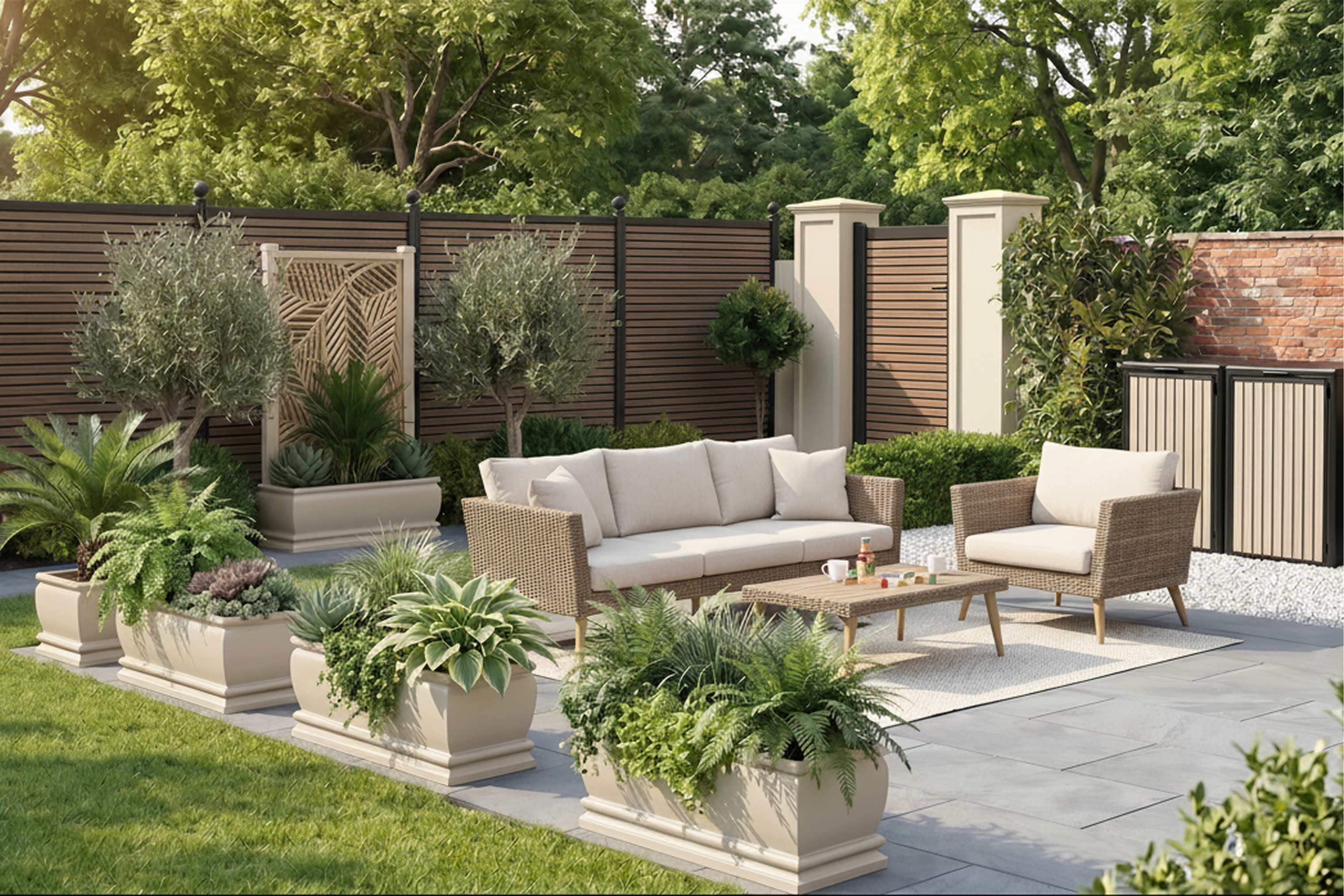
It’s also worth thinking about the structure of the space. Do you want more privacy? A clear boundary? Or a stronger sense of enclosure? For many homeowners, upgrading to modern solutions like composite fencing can completely change the feel of a garden. Composite panels offer a sleek architectural look while being weatherproof and low maintenance, meaning you won’t need to paint or treat them year after year.
At this stage, it helps to spend a few days observing your garden. Notice where the sun falls throughout the day, which areas feel sheltered, and where you naturally spend the most time. Those small observations often lead to the best design decisions later.

Phase Two: Design
Once you’re clear on the vision, the design phase is where everything starts to take shape.
Good garden design isn’t about adding everything you like. It's about making the right choices, so the whole space works together. The best gardens feel cohesive, where materials, layout and planting all support the same overall idea.
The layout usually comes first. Think about how people will move through the space, where seating areas will sit, and what you’ll see when you look out from the house.
Structural elements often come next. Features like gates, screens and fencing play a big role in defining zones within the garden. For example, adding a matching driveway or pedestrian gate alongside your fencing can create a much more considered entrance to the space.
Layering in features like planters can also help shape the design. Large architectural planters work well for framing patios, softening hard landscaping or introducing greenery where planting in the ground isn’t possible.
If planting is part of your project, try not to leave it until the end. The best gardens balance structure and planting from the start, combining evergreen structure with seasonal colour and interest.
By the end of the design phase, you should have a clear idea of what the garden will look like and roughly what it will cost. That clarity makes the next stage much easier.

Phase Three: Build
The build stage is where everything finally comes together.
This is also where good planning really pays off. When the layout, materials and specifications are clear, contractors can work far more efficiently, and the project tends to run much more smoothly.
Many homeowners choose to incorporate a few standout features at this stage. Elements like garden water features can add movement and sound to a space, helping create a calm, relaxing atmosphere, particularly in seating areas or courtyard gardens.
Similarly, well-positioned planters or decorative screens can provide privacy and structure without needing major landscaping work.
Choosing the right contractor also matters. Experience with similar projects, clear communication and a good working relationship are often far more valuable than simply choosing the lowest quote.
Bringing It All Together
Every garden project is different, but the structure behind them is surprisingly consistent. If you’re at the start of a garden project and not sure where to begin, the best place is almost always the same: start with the vision. Once you’re clear on how you want to use the space, the rest of the decisions become much easier.
And with the right combination of structure, materials and planting, you can create a garden that works beautifully for years to come.


