


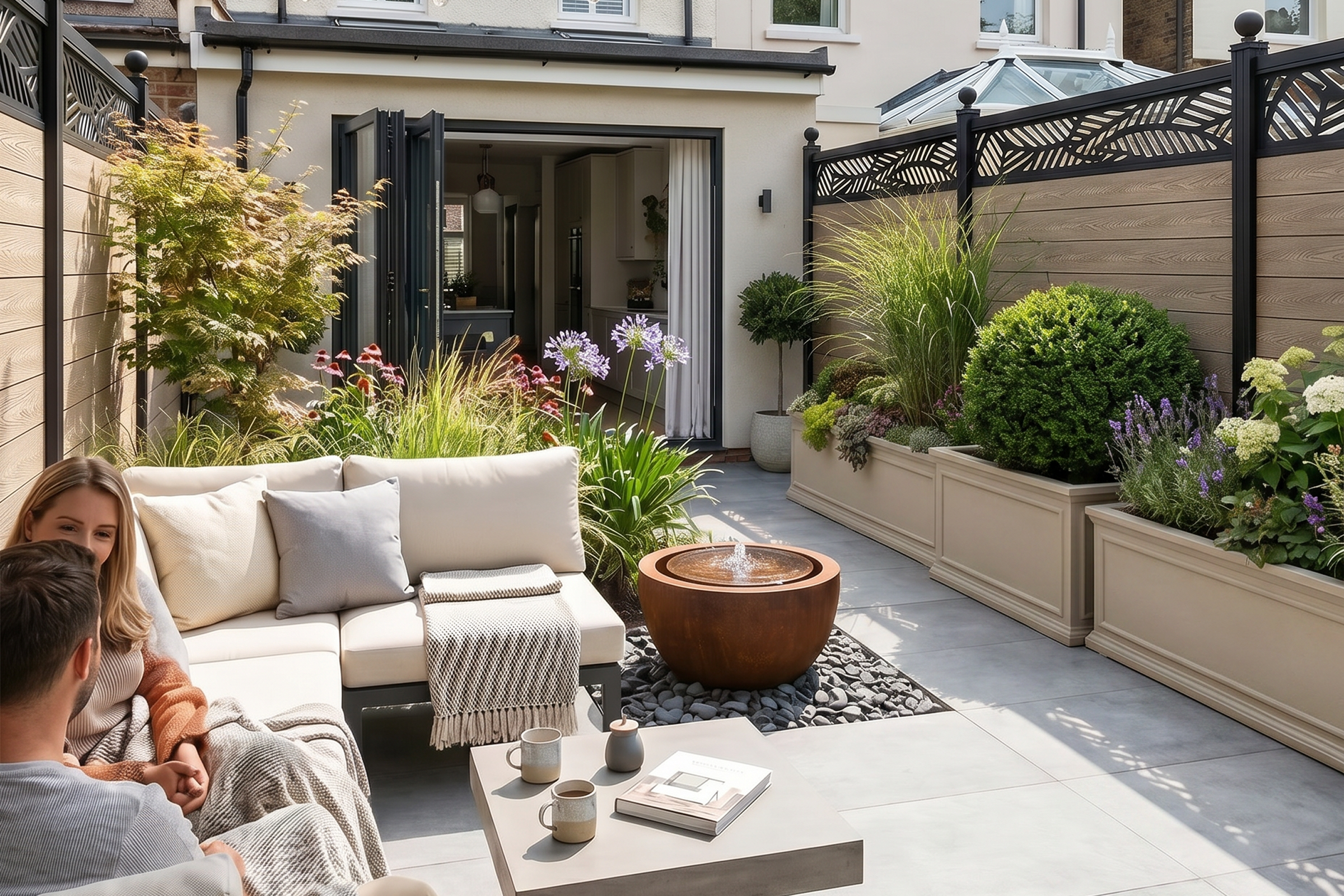
World Environment Day is a timely reminder that sustainability doesn’t always start with major renovations or expensive eco-projects. Often, it begins with the everyday choices we make in our outdoor spaces.
At Charles & Ivy, we believe a beautiful garden can also be a thoughtful one. By choosing durable materials, planting for wildlife, and creating spaces you genuinely enjoy spending time in, your garden can become both stylish and more environmentally conscious.
Choose Materials That Last
One of the most sustainable decisions you can make is to invest in products designed for longevity.
Rather than replacing outdoor features every few years, choosing durable materials helps reduce waste and lowers the environmental impact associated with manufacturing, shipping, and disposal. Materials such as Corten steel are valued for their strength, weather resistance, and ability to age beautifully over time.
Why Longevity Matters
-
Less frequent replacement means less waste.
-
Fewer deliveries and manufacturing cycles reduce environmental impact.
-
Timeless materials often develop character rather than deteriorating.
A well-made planter, screen, or garden feature that lasts for many years is often a more sustainable choice than a cheaper alternative that needs frequent replacement.

Plant for Pollinators
Gardens can play an important role in supporting local biodiversity. Even a small planting scheme can provide valuable food sources for bees, butterflies, and other pollinating insects.
Consider adding pollinator-friendly plants such as lavender, verbena, salvia, coneflowers, and wildflower-inspired planting mixes. These plants not only help wildlife but also bring colour, movement, and seasonal interest to your garden.
Tip: Try to include plants that flower at different times of the year. A longer flowering season provides a more consistent food source for pollinators.
Choose Timeless Over Trend-Led
Garden design trends come and go, but classic, well-considered spaces tend to endure.
Opting for neutral palettes, natural textures, and versatile garden features can help create a space that still feels relevant year after year. This reduces the temptation to constantly replace or redesign outdoor areas in response to changing trends.
Think clean lines and understated design, natural planting combinations, quality materials with lasting appeal, and garden features that complement a range of styles.

Create a Garden You Actually Use
A garden that is regularly enjoyed is often a garden that is better cared for.
Adding comfortable seating, thoughtful lighting, or a focal feature can encourage you to spend more time outdoors. The stronger our connection to our outdoor spaces, the more likely we are to maintain, invest in, and protect them over the long term.
Whether it’s a morning coffee, an evening meal, or simply a quiet moment surrounded by greenery, gardens have a remarkable ability to support wellbeing while reconnecting us with nature.

Small Steps Add Up
You don’t need a complete garden overhaul to make a positive difference. Simple decisions can collectively have a meaningful impact.
This World Environment Day, consider one small change you could make in your own outdoor space. Sustainable gardens aren’t built overnight, they grow through thoughtful choices, season after season.


